Why this trade attracts the problem
Garage door repair has three features that make it unusually attractive to bad operators: the customer is usually in a hurry, the failure looks alarming, and almost nobody knows what the parts cost.
The classic pattern is a very low advertised price — a $29 service call, a $49 tune-up — from a company with a local-sounding name and a call centre somewhere else entirely. Somebody arrives, finds the springs "unsafe", and the number becomes many multiples of what was advertised. Payment is often wanted in cash, and the paperwork, if any, has no registration number on it.
The whole thing is preventable with two lookups and one phone call.
Check one: the Home Improvement Contractor registration
Connecticut requires most contractors performing residential home improvement work to register with the Department of Consumer Protection. Registration is not a competence test — it is not a licence in the trade sense — but it does three things that matter to you.
It puts the business on a public register with a verifiable number and address. It gives you access to the Home Improvement Guaranty Fund, which exists to compensate homeowners who lose money to a registered contractor. And it creates a public complaint record.
How to check: the Department of Consumer Protection publishes an online licence and registration lookup, searchable by business name or registration number. Search for the company. You are looking for a current, active registration in a name that matches the name on the quote.
The mismatch trick to watch for. Some operators trade under a marketing name that differs from the registered entity. That is not automatically sinister, but the two should be traceable to each other, and the entity on your written contract must be the registered one. If the invoice says one company and the registration is in another, you may have no access to the Guaranty Fund.
Critically: the Guaranty Fund only covers registered contractors. If you hire someone unregistered, you have no recourse through it, no matter how badly the job goes.
Check two: insurance, and the specific document to ask for
"Licensed and insured" on a website means nothing. It is typed text. What means something is a certificate of insurance.
Ask for a COI showing general liability and workers' compensation, and ask for it to be sent directly by the insurance agent, not forwarded by the contractor. A PDF that has passed through the contractor's hands can be anything. An agent emailing you the certificate is verification.
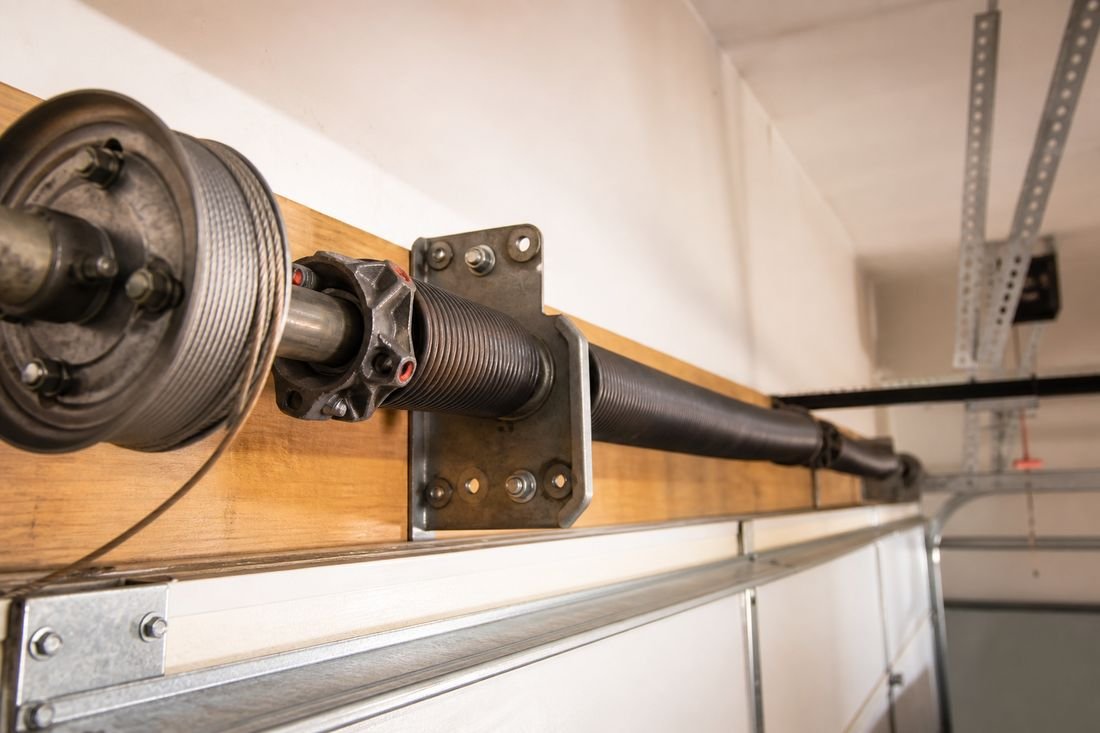
Workers' compensation is the one people skip and it is the one that can cost you the most. If an uninsured worker is injured on your property, in your garage, that exposure can land on your homeowner's policy. Garage door work involves components under extreme spring tension and people working overhead. This is not a theoretical risk.
Check three: the complaint history
The Department of Consumer Protection maintains complaint records against registered contractors, and they are obtainable. A single complaint on a busy company is noise. A pattern — multiple complaints describing the same behaviour, particularly around pricing changing after arrival — is signal.
Also worth two minutes: read the one-star reviews rather than the five-star ones, and specifically look for whether the complaints all describe the same mechanism. Ten reviews saying "quoted low on the phone, tripled on arrival" is a business model, not bad luck.
What the paperwork must contain
Connecticut sets out what a home improvement contract has to include. You want, at minimum:
- The contractor's name, address and registration number printed on the document.
- A clear description of the work and the materials.
- The total price, and the payment schedule.
- Start and completion dates.
- Both signatures.
- Notice of your cancellation rights.
Get the price in writing before work starts. Not a verbal number over the phone, not "somewhere around". A written figure you have agreed to. This one habit eliminates almost every version of the scam.
Red flags, in rough order of seriousness
- No registration number anywhere — not on the van, the website, the quote or the invoice.
- Cash only, or a large deposit demanded up front before any work.
- Pressure to decide immediately, especially framed as safety: "I can't leave this door in this condition."
- The price changes dramatically on arrival from what was quoted on the phone.
- Recommends full door replacement for a single failed component without showing you the component.
- Refuses to show you the old parts they removed.
- No physical address, or an address that turns out to be a mailbox service in another state.
- Unmarked vehicle and no uniform. Not conclusive on its own, but it correlates.
Check us, please
We would rather you did. Ask for our registration number before you book and verify it on the Department of Consumer Protection lookup. Ask our insurer to send you the certificate directly. Read our one-star reviews.
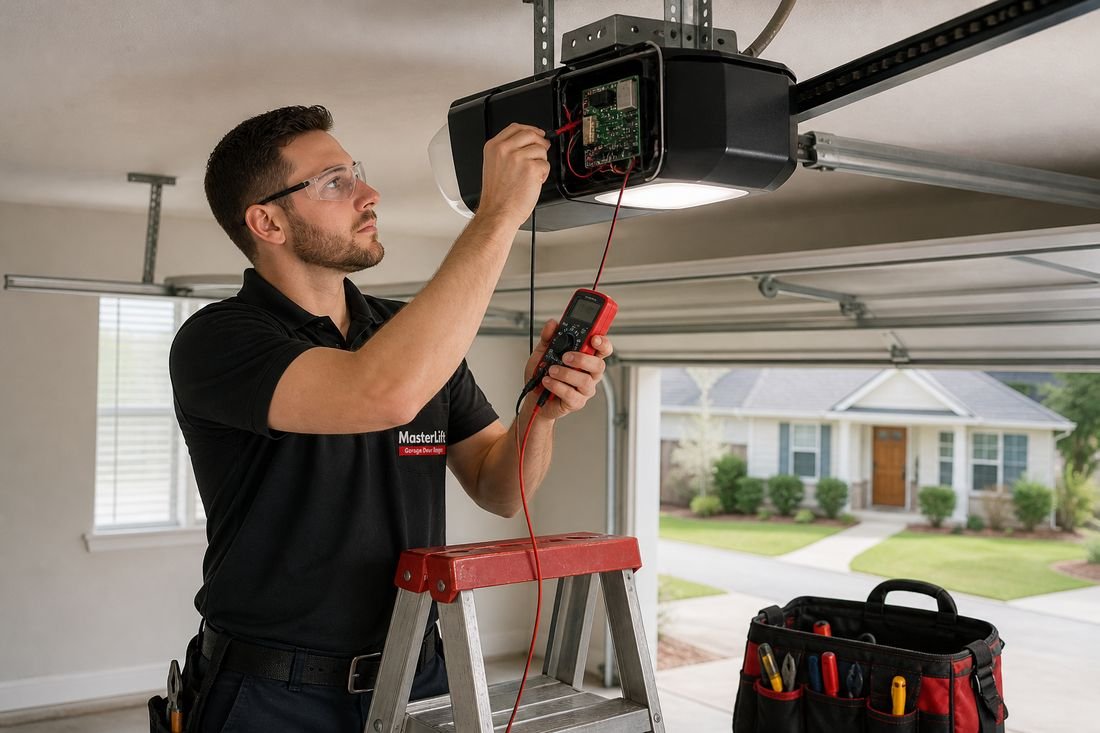
We are a service-area business, which means we have no showroom for you to visit — the vans carry the stock and the technicians travel to you. That is a legitimate model and it is why our prices are what they are, but it does mean the usual "go and look at their premises" check is not available. The registration lookup replaces it, and it is a better check anyway.
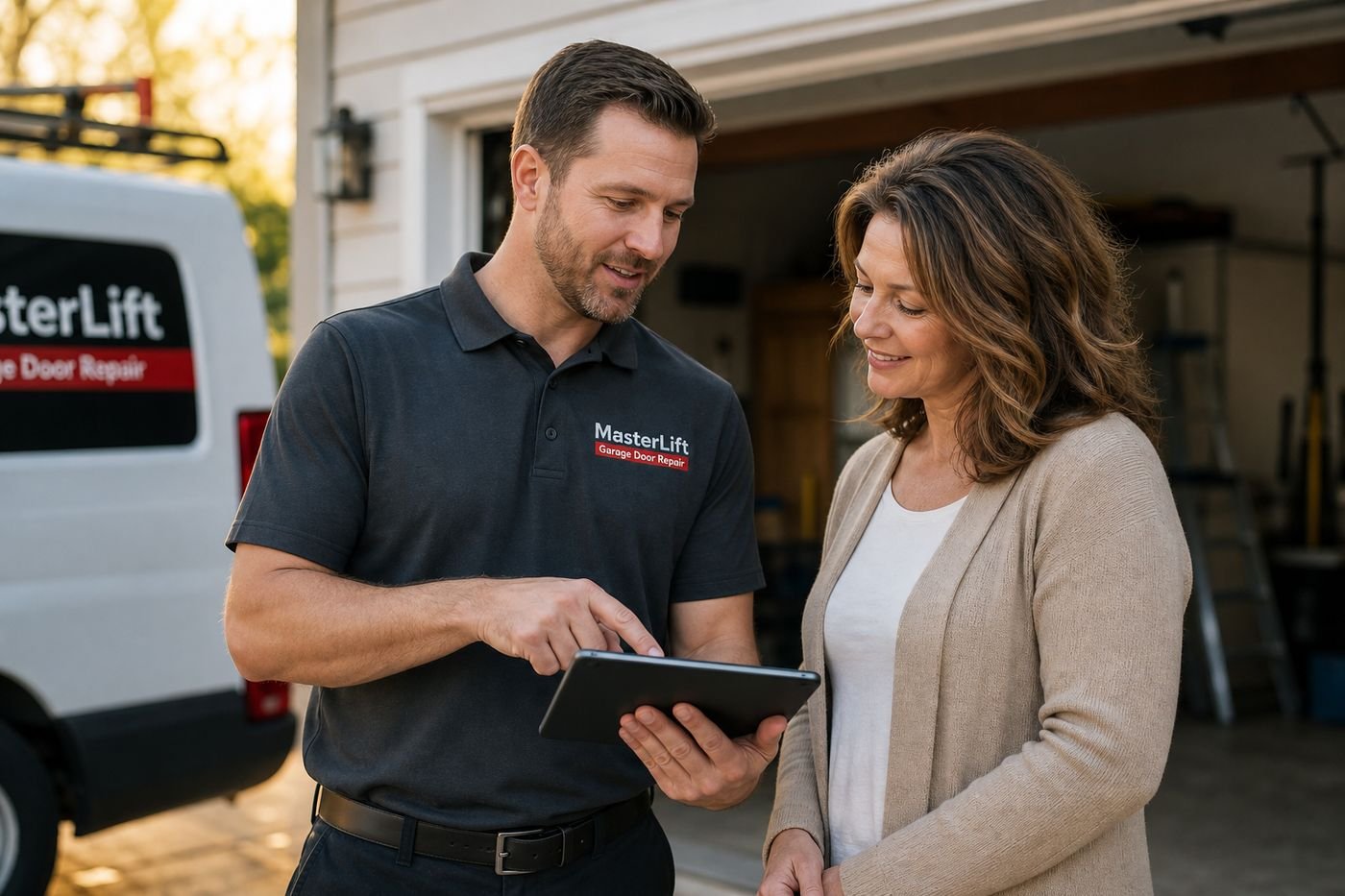
Every technician is on our payroll, background-checked, and covered by our general liability and workers' compensation. You get a name and a photo by text before anyone arrives. And you get the price in writing before anything is touched.